Waiting Room Cleaning Best Practices
A waiting room is often the first space customers, clients, or patients experience when they enter your business. Whether it’s a medical office, dental practice, law firm, or professional office, a clean waiting area creates a positive first impression while supporting a healthier indoor environment. Because waiting rooms experience constant foot traffic and frequent contact with shared surfaces, they require consistent cleaning and disinfection to maintain a welcoming atmosphere. Following a few waiting room cleaning best practices can help keep your office looking professional while reducing the spread of germs and extending the life of your furnishings.
Prioritize High-Touch Surfaces
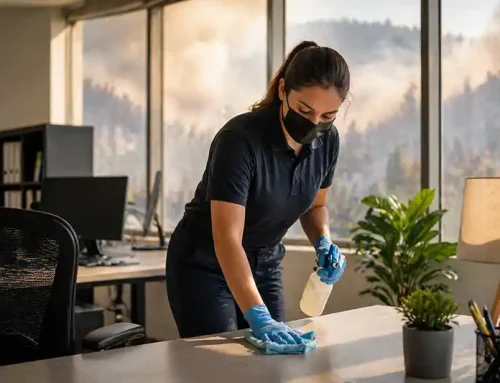
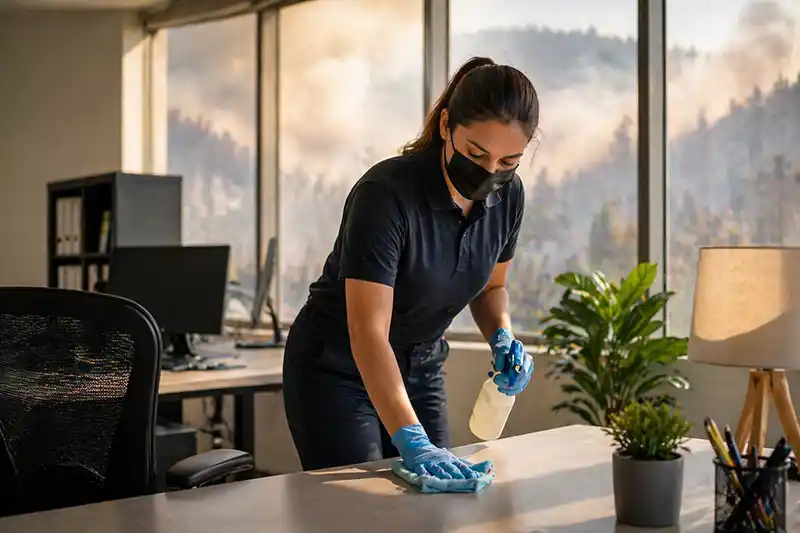
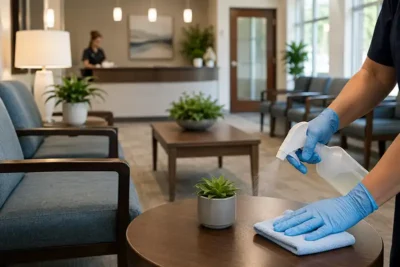 High-touch surfaces are some of the most frequently contaminated areas in any waiting room. These surfaces should be cleaned and disinfected regularly throughout the day, especially in busy facilities.
Common high-touch surfaces include:
- Door handles
- Reception counters
- Check-in kiosks
- Armrests on chairs
- Coffee stations
- Side tables
- Light switches
- Elevator buttons
- Payment terminals
- Pens and clipboards
Routine disinfection helps reduce the spread of bacteria and viruses while giving visitors greater confidence in your facility’s cleanliness.
Keep Floors Clean and Safe
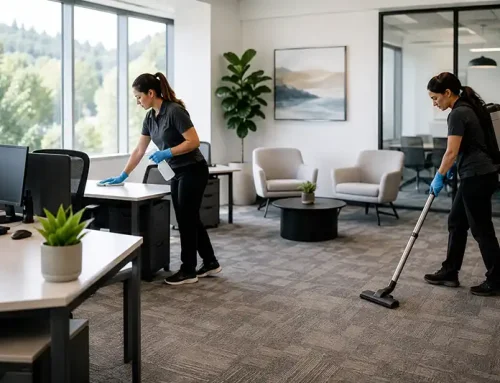
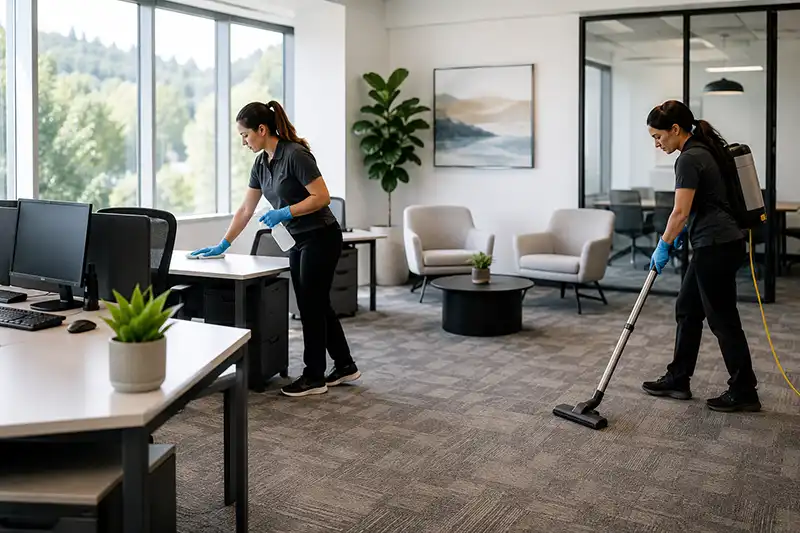
Waiting room floors collect dirt, moisture, pollen, dust, and debris that customers track in from outside. Dirty floors not only affect the appearance of your business but can also create slip hazards.
Daily floor maintenance should include:
- Vacuuming carpeted areas
- Sweeping hard surfaces
- Damp mopping tile and vinyl floors
- Spot cleaning spills immediately
- Placing entrance mats at exterior doors
Regular professional floor cleaning also helps extend the lifespan of carpets and hard flooring.
Clean Upholstered Furniture
Chairs, couches, and other upholstered seating can accumulate dust, dirt, allergens, and stains over time. Since these surfaces are used by numerous visitors each day, they require routine attention.
Best practices include:
- Vacuuming upholstery regularly
- Spot cleaning stains promptly
- Sanitizing armrests and frequently touched areas
- Scheduling periodic professional upholstery cleaning
Well-maintained furniture contributes to a cleaner, more inviting waiting area.
Maintain Dust-Free Surfaces
Dust quickly accumulates on decorative items, shelving, windowsills, and electronics. In addition to affecting appearance, dust can reduce indoor air quality and trigger allergies.
A complete cleaning routine should include:
- Dusting artwork
- Cleaning shelves
- Wiping baseboards
- Dusting blinds
- Cleaning window ledges
- Wiping television screens
- Cleaning display cases
Using microfiber cloths helps capture dust rather than simply moving it around.
Don’t Overlook Restrooms
Visitors often judge a business by the cleanliness of its restrooms. If your waiting room includes public restrooms, they should be cleaned and disinfected multiple times throughout the day.
Pay special attention to:
- Sinks
- Faucets
- Toilets
- Stall doors
- Soap dispensers
- Paper towel dispensers
- Trash receptacles
- Mirrors
- Floors
Maintaining stocked supplies and odor-free restrooms helps reinforce a positive impression.
Improve Indoor Air Quality
Air quality plays an important role in the overall comfort of your waiting room. Dust, allergens, and airborne particles can build up over time, especially in high-traffic facilities.
To improve indoor air quality:
- Replace HVAC filters regularly.
- Vacuum carpets with HEPA-filter equipment.
- Dust frequently.
- Clean air vents.
- Reduce clutter that collects dust.
A cleaner indoor environment benefits both employees and visitors.
Empty Trash Frequently
Overflowing trash bins quickly create an untidy appearance and may contribute to unpleasant odors. Trash should be emptied regularly throughout the day, particularly in busy waiting rooms.
Recycling containers should also be monitored and emptied as needed to maintain a clean, organized appearance.
Use Eco-Friendly Cleaning Products
Many businesses are choosing environmentally responsible cleaning products that effectively remove dirt and germs while reducing harsh chemical exposure.
Eco-friendly products can:
- Improve indoor air quality
- Reduce strong chemical odors
- Support sustainability goals
- Create a more comfortable environment for employees and guests
Selecting appropriate cleaning products helps maintain both cleanliness and occupant comfort.
Create a Consistent Cleaning Schedule
One of the most effective ways to maintain a spotless waiting room is by following a structured cleaning schedule. Daily tasks, weekly deep cleaning, and periodic professional services work together to keep the space consistently clean.
A comprehensive schedule should include:
- Daily disinfection
- Routine dusting
- Floor care
- Restroom sanitation
- Window cleaning
- Upholstery maintenance
- Trash removal
- Seasonal deep cleaning
Consistency is key to maintaining a professional appearance year-round.
Final Thoughts
Professional waiting room cleaning does more than create a positive first impression—it helps support a healthier, safer, and more comfortable environment for everyone who walks through your doors. Regular attention to high-touch surfaces, floors, furniture, restrooms, and indoor air quality helps reduce germs while preserving the appearance of your facility. By implementing consistent cleaning practices and scheduling routine professional maintenance, businesses can ensure their waiting rooms remain welcoming, organized, and ready to serve visitors every day.