Janitorial Services in School Sanitation and Student Health
Schools are more than just places of learning—they are high-traffic environments where students, teachers, and staff spend significant portions of their day. In such settings, maintaining cleanliness and sanitation is critical not only for appearance but also for the health and well-being of everyone on campus. Janitorial services in school sanitation play a pivotal role in ensuring that schools remain safe, hygienic, and conducive to learning.
Ensuring a Healthy Learning Environment
 A clean school environment directly impacts student health. Classrooms, cafeterias, restrooms, gyms, and common areas are hotspots for bacteria, viruses, and allergens. Without proper cleaning, these areas can become breeding grounds for germs that cause illnesses such as colds, flu, and stomach infections. Regular janitorial services disinfect high-touch surfaces, clean floors, and sanitize restrooms to prevent the spread of disease and reduce absenteeism among students and staff.
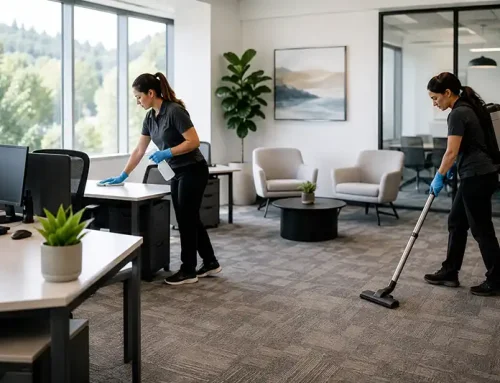
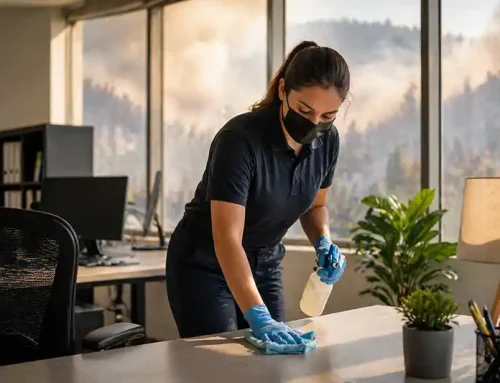
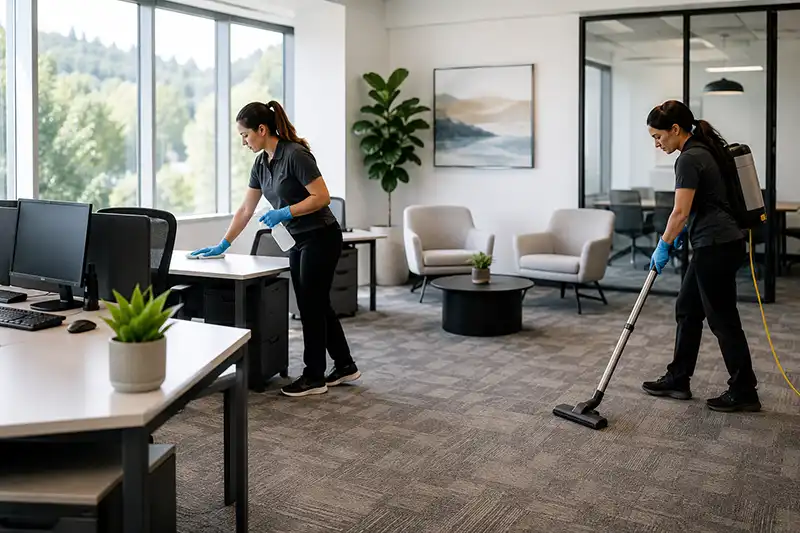
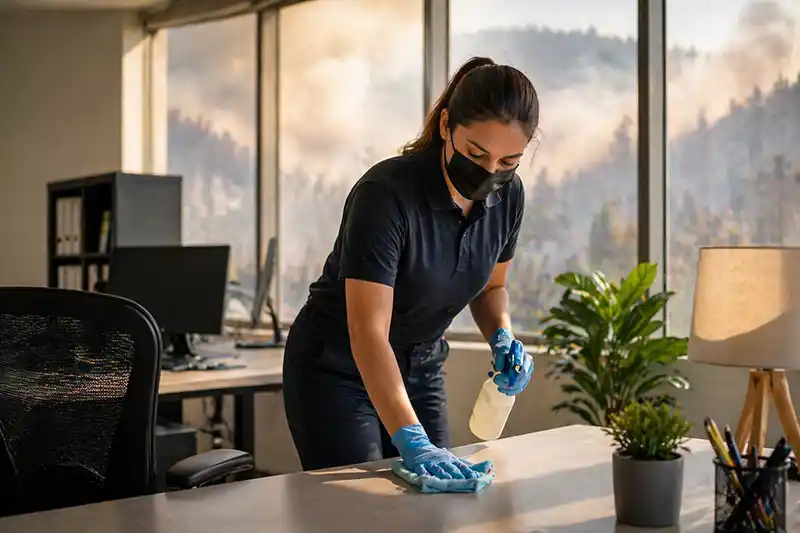
Professional janitorial teams use hospital-grade disinfectants and follow industry best practices to target areas most likely to harbor pathogens. Desks, door handles, handrails, and computer keyboards are all sanitized to minimize the risk of transmission. By maintaining these hygiene standards, schools provide a safer environment where students can focus on learning rather than falling sick.
Supporting Student Health and Well-Being
Beyond preventing illness, janitorial services contribute to overall student well-being. Allergens such as dust, pollen, and mold can trigger asthma attacks and allergies, impacting students’ comfort and academic performance. Professional cleaning removes dust from surfaces, vacuums carpets, and ensures proper air quality throughout classrooms and common areas. This attention to detail creates a healthier environment, enabling students to participate fully in school activities without health interruptions.
In addition, well-maintained and odor-free restrooms and cafeterias promote comfort and encourage proper hygiene habits among students. When schools are clean, students are more likely to wash hands, eat in sanitary conditions, and adopt healthy routines that can last a lifetime.
Minimizing the Spread of Contagions
Schools are high-density environments where germs can spread quickly. Children and teenagers interact closely, share supplies, and touch multiple surfaces daily. Without proper sanitation, a single contagious illness can result in widespread absenteeism and disrupted learning. Janitorial services minimize the spread of contagious diseases by providing consistent cleaning schedules, disinfecting surfaces multiple times a day, and addressing spills and messes promptly.
During flu season or outbreaks of illnesses such as norovirus, professional cleaning crews play a critical role in infection control. Their expertise in sanitation protocols ensures that classrooms, gymnasiums, cafeterias, and restrooms are disinfected effectively, protecting both students and staff.
Maintaining Compliance and Safety Standards
Schools must adhere to strict health and safety regulations set by local and state education departments. Professional janitorial services ensure compliance with these standards, reducing the risk of violations and penalties. From proper handling of cleaning chemicals to the safe disposal of waste, trained cleaning staff follow established guidelines to maintain a safe environment for students and staff.
In addition, janitorial services often provide inspections and maintenance of facilities such as floors, restrooms, and cafeteria areas. Ensuring that floors are clean and dry, trash is regularly removed, and restrooms are fully stocked and sanitized contributes to a safer, more welcoming environment for everyone on campus.
Enhancing Learning and Productivity
A clean school is not only healthier but also more conducive to learning. Students are less distracted by dirt, clutter, and odors when classrooms and common areas are well-maintained. Teachers can focus on instruction, and staff can perform their duties efficiently in a clean environment. Research shows that well-maintained schools improve student satisfaction, attendance, and overall academic performance.
Moreover, a clean school sends a strong message to students, parents, and visitors about the school’s commitment to excellence. It reflects professionalism, care, and respect for the learning community, which positively impacts the school’s reputation and student morale.
The Value of Professional Janitorial Services
While routine cleaning by staff or volunteers can address surface-level tasks, professional janitorial services provide the expertise, equipment, and protocols necessary for comprehensive sanitation. Trained cleaning crews understand the unique challenges of school environments and implement strategies to maintain a high standard of cleanliness consistently.
Custom cleaning plans can be developed to meet the specific needs of each school, including daily sanitation schedules, deep cleaning during breaks, and targeted cleaning for high-traffic areas. This ensures that every area of the school is addressed efficiently and effectively.
Conclusion
Janitorial services in school sanitation are essential to maintaining cleanliness, supporting student health, and fostering a productive learning environment in schools. By preventing illness, reducing allergens, ensuring compliance, and promoting a clean, welcoming space, professional cleaning teams make a tangible difference in the safety and well-being of students and staff. Investing in professional school janitorial services is not just about cleanliness—it is about protecting health, enhancing learning, and creating a thriving educational environment.